Sex tourism has long been one of the most debated aspects of adult entertainment. While some see it as an exotic escape that blends travel with sensual adventure, others view it through the lens of ethics, legality, and exploitation. What’s undeniable is that sex tourism is a growing phenomenon that continues to shape conversations about intimacy, travel, and culture around the globe.
What is Sex Tourism?
At its core, sex tourism refers to traveling specifically to engage in sexual activities. Popular destinations often include countries where adult services are either legal, loosely regulated, or heavily marketed as part of nightlife and local culture. Unlike traditional tourism, this type of travel focuses on exploring erotic experiences, often combining nightlife, escort services, and adult resorts into one package.
Where It’s Most Common
Sex tourism hot spots have emerged across several regions, each with their own reputation and appeal:
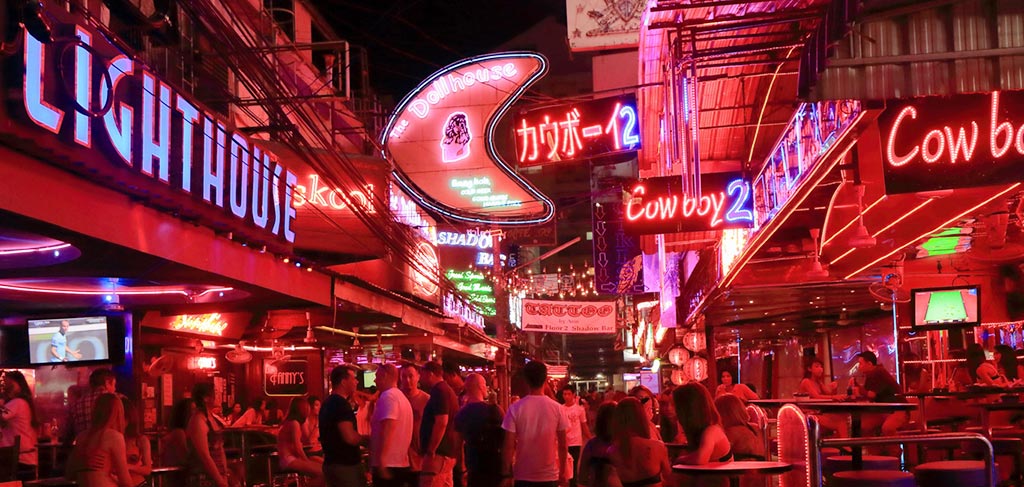
- Thailand – Bangkok and Pattaya are legendary for their vibrant red-light districts, where adult bars and go-go clubs attract travelers from around the world.
- The Netherlands – Amsterdam’s Red Light District is one of the most famous examples of legalized sex work integrated into tourism.
- Dominican Republic & Colombia – Known for “sex resorts” and a thriving escort scene.
- Eastern Europe – Cities like Prague and Budapest mix historic beauty with booming adult nightlife.
Why Travelers Engage in Sex Tourism
For many, sex tourism offers freedom, adventure, and the chance to live out fantasies they might not pursue at home. Some reasons include:
- Escapism: Breaking from routine and indulging in uninhibited pleasure.
- Affordability: Services are often cheaper abroad than in a traveler’s home country.
- Variety: Access to new cultures, fantasies, and experiences.
- Discretion: Many feel freer exploring their desires away from home.
The Ethical Dilemma
While sex tourism can be framed as consensual adult fun, it also raises serious concerns:
- Exploitation: In some countries, economic inequality pushes vulnerable people into sex work.
- Legality: Laws differ drastically across borders, making it easy for tourists to unknowingly (or knowingly) break the law.
- Moral Responsibility: The line between consensual adult services and darker practices like trafficking can blur, sparking ongoing debate.
A Safer, Ethical Approach
For those curious about sex tourism, responsibility is key. That means:
- Choosing destinations where sex work is legal and regulated.
- Supporting businesses and workers who prioritize safety and consent.
- Respecting cultural boundaries and understanding local laws.
- Remembering that sex workers are people deserving dignity and respect.
Conclusion: More Than Just Pleasure Travel
Sex tourism will always be controversial—part escapism, part ethical challenge. While it offers a fantasy-driven escape for many, it also demands a closer look at the issues of consent, legality, and respect for human rights. For travelers, the key is responsibility: if you’re going to explore the world of sex tourism, do it ethically, legally, and with respect for the people behind the fantasy.